Aquariums have been a popular hobby for centuries, with the first recorded home aquarium appearing in the early 19th century. Aquariums come in all shapes and sizes, designed to fit a variety of budgets and fish keeping needs. Home aquariums provide a unique and enjoyable way to interact with nature within the comfort of your own home.
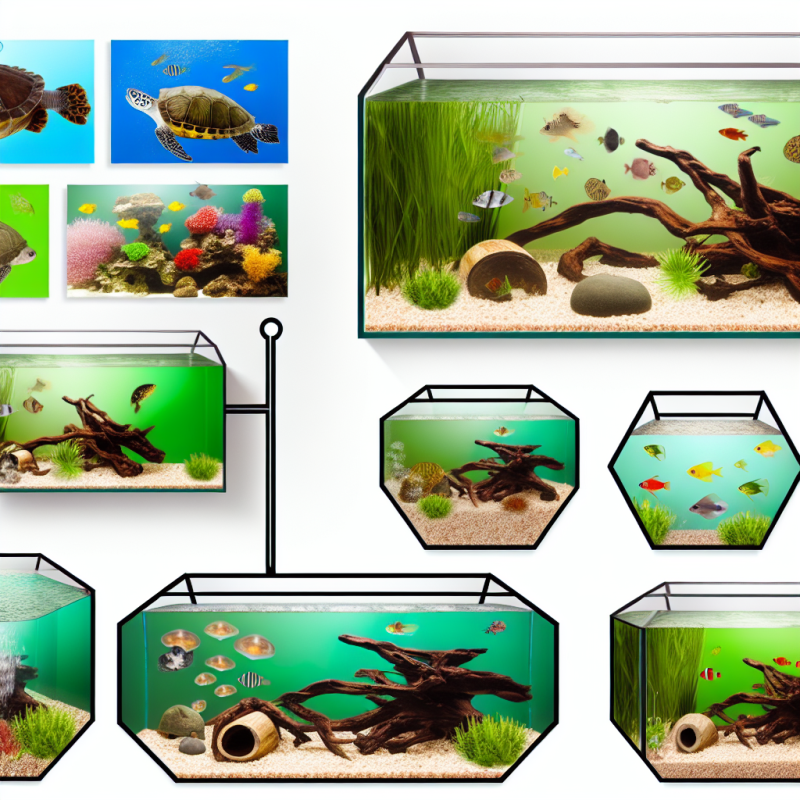
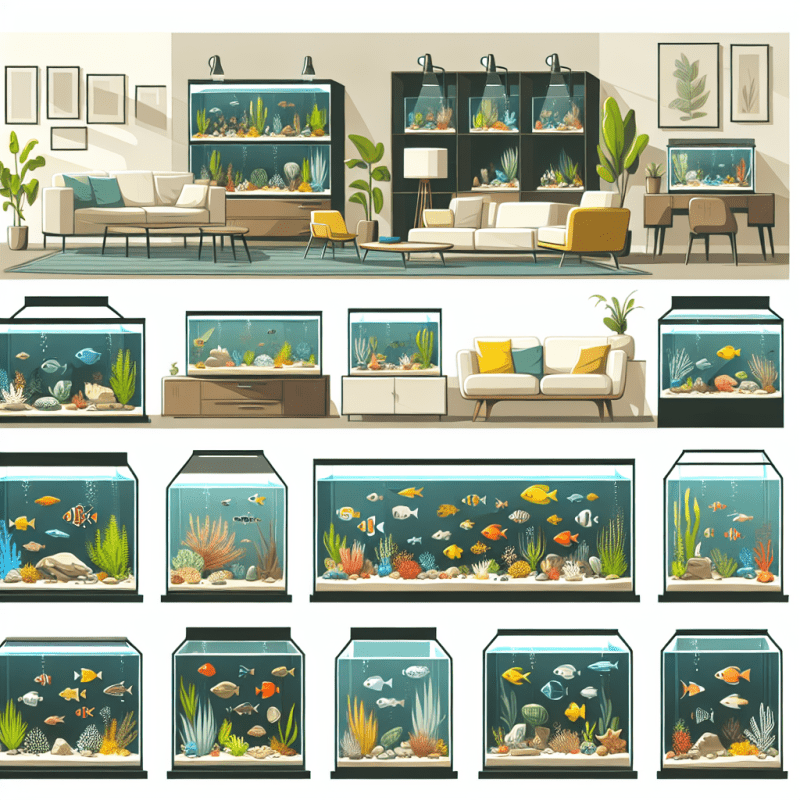
A home aquarium typically consists of a glass or acrylic tank that holds water and provides a home for its inhabitants. Aquariums can range from a small bowl on your desk to a large living room wall display. The water in the tank is heated and filtered according to the specific needs of the fish. Gravel or sand is used to assist with filtration and to provide a physical barrier for the fish to interact with.
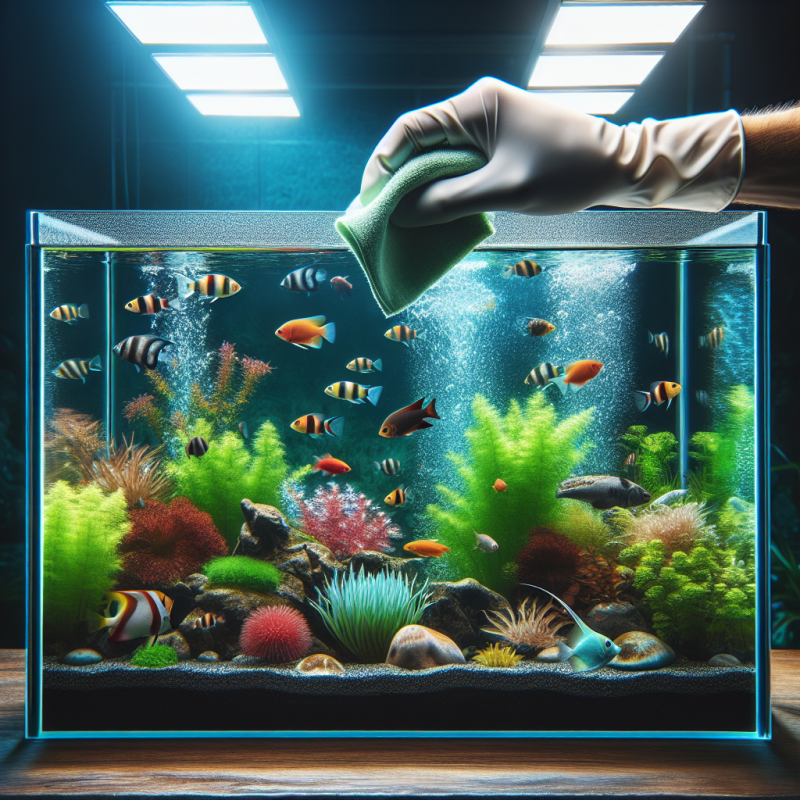
The decision of what to include in an aquarium depends on goals. Some hobbyists select fish based on bright colors, while others may choose to create a planted tank, housing several species of aquatic plants. Others may opt to keep a small selection of fish and corals, depending on the size of the tank. Regardless of the type of aquarium chosen, proper maintenance is essential to keep the tank healthy.
Early Aquariums: Pre-20th Century
Long before the 20th century, ancient cultures kept aquatic creatures in home aquariums and decorative pools. The Romans and Egyptians kept fish as ornamental items. To them, fish were a source of food and a status symbol. The ancient Greeks kept fish in man-made containers and referred to them as vivariums.
The Chinese were the first to develop aquariums with glass panels in the 5th century. They believed fish added beauty to the home, and the decorative elements provided a positive energy. Chinese and Japanese cultures began acclimating aquatic species in ponds and tubs for use in paintings and for scientific study.
The introduction of glass aquariums began in 1832, when Berlin doctor Robert Warington designed the first practical and effective aquarium. Dr. Warington's aquarium was made of glass plates held together with lead seals and filled with water from the Thames. He went on to invent a variety of products for use in fishkeeping and authored “A Month Among the Aquariums", a book with detailed instructions on how to set up and maintain an aquarium.
In the 1850s, Gerard Krefft released "Fish and Fishing in Australia," a guidebook on native Australian fish, which spurred interest in keeping fish as pets in their natural environment. Another major aquarium innovator was William Alford Lloyd, an Englishman who invented what he called the “Aqua Viva Aquarium,” a compact, seawater-only aquarium. By this time, more people were interested in keeping aquariums as decorative displays, and special aquarium stores began to appear in major cities.
By the end of the 19th century, aquarium keeping was widespread in Europe, but the hobby had not yet made its way to North America. While there is no single person credited with bringing the practice across the Atlantic, aquarium shops emerged in the early 20th century, making it easier for hobbyists to purchase and care for fish.
Home Aquariums in the 20th Century
Home aquariums are popular among hobbyists, with a rich history dating back to the late 1800s. In the 20th century, technological advances allowed for more elaborate and advanced aquariums for people to enjoy in their homes.
By the mid-1900s, glass boxes and metal strips became the main materials used to make aquariums, replacing large, bulky wooden tanks. They grew to become increasingly popular, creating an entire industry of products, accessories, fish, and other supplies.
Advances in filtration and lighting allowed for the introduction of many species of fish, including tropical and saltwater species, that previously would not survive in traditional home aquariums. At the same time, plastic accessories emerged so that aquariums could be set up in various shapes and sizes.
Aquariums have become especially popular at the end of the century as new technologies such as wave pumps, infra-red lighting and remote control enabled fish owners to maintain easier, healthier and more interactive aquariums.
Home aquariums remain popular as they provide a unique, relaxing environment, and an enjoyable learning experience. There are so many new species of fish and plants available, and many ways to customize an aquarium with unique decorations and accessories, that hobbyists are sure to have endless possibilities when building their own home aquariums.
Technological Advancements in Home Aquariums
Throughout the years, there have been tremendous advances in home aquarium technology. In the early 20th century, home aquariums were often built from glass sheets, metal spars, and cement. This allowed for tanks of considerable scale, containing a wide variety of water-dwelling organisms. However, the practice of building home aquariums from such materials remained expensive and time-consuming. As a result, many people opted to purchase pre-fabricated glass tanks.
In the mid-20th century, acrylate aquariums began becoming increasingly popular. Acrylate aquariums are made out of a combination of reinforced acrylic sheets and silicone sealants, which provided a superior strength and lightness, compared to the glass and metal materials of earlier tanks. This, in turn, enabled for larger, more complex ecosystems within the same space. In addition, the use of acrylic reduced the cost of production, providing further incentive for people to purchase home aquariums.
In the present day, aquariums come with a vast array of features, such as adjustable heaters, filters, built-in lighting systems and decorative items. Many aquariums are built with automation features in mind, allowing for stress- and maintenance-free home aquariums for hobbyist of all skill levels. Such advancements have allowed for the spread and popularity of home aquariums, making the possibility of creating and maintaining an essential ecosystem in the home a reality.
Contemporary Home Aquariums
Since the invention of home aquariums, much has changed. Today's home aquariums are much more advanced than their predecessor. The technology used to keep these tanks clean and healthy has vastly improved and the designs are more modern. Aquariums now come in a variety of shapes, sizes and colors, making it easy to find something to fit any home decor.
Today's modern home aquariums are equipped with numerous features and components that make taking care of an aquarium a breeze. These features can range from automatic feeders to self cleaning systems, and even wireless monitoring applications. Newer home aquariums are also often equipped with LED lights, which have allowed for more creative designs and aesthetic choices.
As technology has advanced, so too have home aquariums. Many pet stores now offer a wide variety of products that can help make caring for a home aquarium even easier. These products range from algae eradication systems to water filtering systems. A host of online aquarium services further help to make things easier for the modern home aquarium enthusiast. As aquariums become increasingly popular and affordable, there has never been a better time for beginners to get in to the hobby.
Home Aquariums in Popular Culture
Home aquariums have been featured in many books, films, and television shows. This section will discuss some of the most memorable occasions on which home aquariums were featured in popular culture.
Film
Home aquariums were featured in several classic films, most notably The Red Balloon, which starred two fish in an elaborate aquarium. Other notable films include The Parent Trap, Finding Nemo and Finding Dory, and Aquamarine.
Television
Home aquariums have been seen on shows like The Simpsons and Spongebob Squarepants. In The Simpsons, a giant aquarium is prominently featured in Mr. Burns' office. On Spongebob Squarepants, an aquarium hosts a wide array of sea creatures.
Books
In the children's book series, The Magic School Bus, the main characters explore an aquarium and learn about the different species living inside. In the adult novel, Deathfish, the main character discovers secrets about his family hidden within a home aquarium.
Home aquariums serve as more than just vessels for fish to live in; they also make appearances in popular culture. From television to film to books, home aquariums offer a glimpse into the lives of our favorite characters.
Conclusion
Aquariums, whether at home or in public, offer an incredible opportunity to experience nature up close. Home aquariums, specifically, provide an interesting way to create an ecosystem inside the home. They allow the hobbyist to learn about the importance of the water cycle, fish biology, and aquarium maintenance. The aquarium hobby has grown over the years, and now there are aquariums available in many shapes and sizes, so there is a perfect home aquarium for everyone.
The history of the home aquarium has always been about connecting people, plants, and animals in a wonderful way. It’s not hard to imagine why being able to bring a little of the outside world into the home could help ease the stresses of modern life. Today, more and more people are learning the joys of keeping a home aquarium, taking an active part in sustaining and learning from a little pocket of nature in the home.